
What is Ducted Air Conditioning
Ever wondered how some buildings and homes maintain the perfect comfortable temperature without a single air con unit in sight? That’s ducted air conditioning hard at work.
A ducted air conditioning system sits in your roof space and pushes air through ceiling vents and ducts throughout your home.
Unlike split systems that need separate units in each room, ducted systems use a single central indoor unit that controls temperature and airflow in multiple zones.
Ducted air conditioning provides major benefits for larger homes with multiple rooms. Your entire home can connect to a single ducted system that delivers quiet, unobtrusive cooling and heating.
Modern ducted systems also let you control temperatures in different rooms or zones independently, which is great for keeping comfortable in Brisbane weather.
As expert air conditioner installers in Brisbane, we will guide you through how ducted air conditioning works and the different types available. You’ll learn the pros and cons to help you make the right choice, and we’ll walk you through the installation and maintenance process to keep your system running smoothly for years.
Table of Contents
What is Ducted Air Conditioning?
Ducted air conditioning is a complete climate control solution that manages temperature throughout your property.
Let’s look at what makes these systems unique and how they stack up against popular alternatives like split systems.
Definition
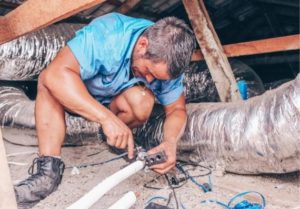
A ducted air conditioning system cools or heats an entire house or building through a network of ducts. The system has a central indoor unit in the roof space connected to an outdoor unit.
Your indoor unit links to each room through ducts hidden in the roof cavity, walls, or floors.The system pulls air from inside your home and adjusts it to your desired temperature. The treated air then flows throughout your property, creating an even climate in multiple rooms at once, instead of just specific areas.
Today's ducted systems come with zoned temperature control, which works great in larger homes where family members have different comfort priorities.Ducted AC vs Split Systems
The biggest difference between ducted and split systems shows up in their design, installation, and coverage:
- Visibility and aesthetics: Ducted systems stay hidden with only subtle ceiling grilles visible, which creates a clean look. Split systems need wall-mounted indoor units in every room you want to cool.
- Coverage: Split systems cool single rooms, while ducted systems can handle your entire home. Each split system needs its own outdoor unit unless you have a multi-head system.
- Installation complexity: Ducted systems need more installation work and enough roof or ceiling space. Split systems are easier to install but stand out more in your living spaces.
- Operation noise: The main parts of ducted systems sit outside or hide in roof spaces, so they run quieter than split systems.
Where Ducted Systems Are Commonly Used
These systems are a great way to get consistent cooling in multiple rooms in your home, whether it’s a small apartment or a multi-storey house. They’re also effective in commercial spaces like offices and restaurants, giving you great climate control with a subtle design that integrates with any style. These systems are perfect for uniquely designed buildings that need hidden climate control.
Types of Ducted Air Conditioning Systems
Picking the right ducted air conditioning system for your Brisbane home means knowing what’s available in today’s market.
Each system has its advantages based on your home’s layout and your personal preferences.
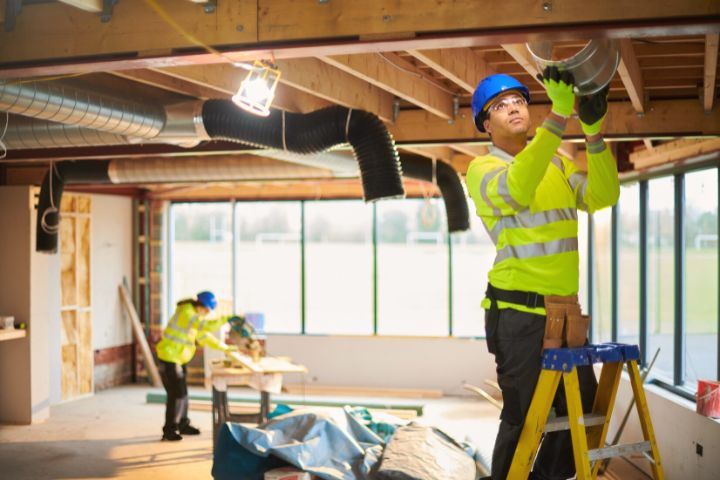
Reverse cycle ducted systems are versatile climate control solutions that cool and heat your home with the same equipment.
You won’t need separate heating and cooling infrastructure because these systems simply switch their operation cycle based on the season.
The technology in reverse cycle systems works by pulling heat from your home and releasing it outside during cooling. The process reverses in heating mode as it draws heat from outdoor air and spreads it through your home.
Evaporative cooling takes a different approach to temperature control. These systems cool by pulling warm air through water-soaked pads. The air temperature drops naturally as water evaporates when passing through these wet filter pads. The system then pushes this cooled air throughout your home.
Evaporative cooling handles fresh air differently than reverse cycle systems. Instead of recycling indoor air, these coolers:
- Pull fresh air from outside continuously
- Create a light breeze throughout the house
- Need some windows or doors to stay slightly open
These systems work best in hot, dry environments where water evaporates easily. They become less effective in humid conditions like Brisbane because high moisture levels in the air limit evaporation.
Zoned systems use motorised hatches inside the ductwork to direct conditioned air to specific areas of your home. This design gives you the flexibility to:
- Cool or heat only the rooms you’re using
- Set different temperatures for different zones
- Cut down energy use
Non-zoned systems cool your entire home whenever they run. While simpler, this approach can lead to higher power bills because you end up cooling empty rooms. The zoning technology lets you activate specific zones by directing airflow only to those areas.
Which Type Suits Your Home?
Reverse cycle ducted systems offer the most complete solution for Brisbane’s climate. These systems handle summer cooling and winter heating well, no matter how humid it gets outside.
Evaporative cooling systems save energy when cooling, but they don’t work well in Brisbane’s humid weather. They shine in hot, dry climates where humidity stays low, making them better options for Australia’s inland regions or southern capitals like Adelaide and Melbourne.
Beyond weather compatibility, think about:
- Your property’s size (bigger homes usually benefit from ducted systems)
- Your budget (ducted systems cost more upfront)
- Energy-saving goals (zoned systems save money on operation)
- Fresh air needs (evaporative systems bring in constant fresh air)
Brisbane homeowners who want year-round comfort with exact temperature control will find zoned reverse cycle ducted systems the best option, even though they cost more upfront.
How Does Ducted Air Conditioning Work
Brisbane homeowners need to know how ducted air conditioning systems work to choose the right climate control option.
Airflow and Duct Network
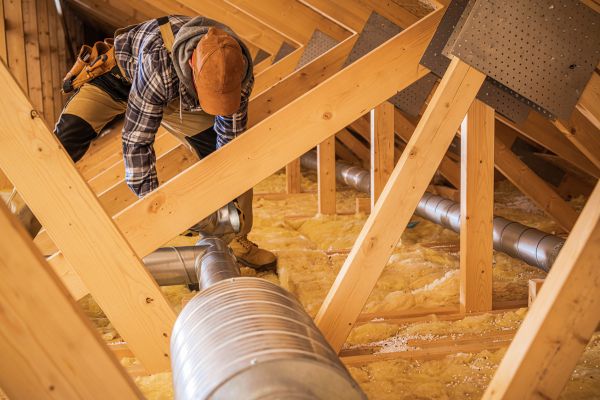
Your ducted air conditioning system uses insulated channels hidden in your ceiling or under floors to move air throughout your property.
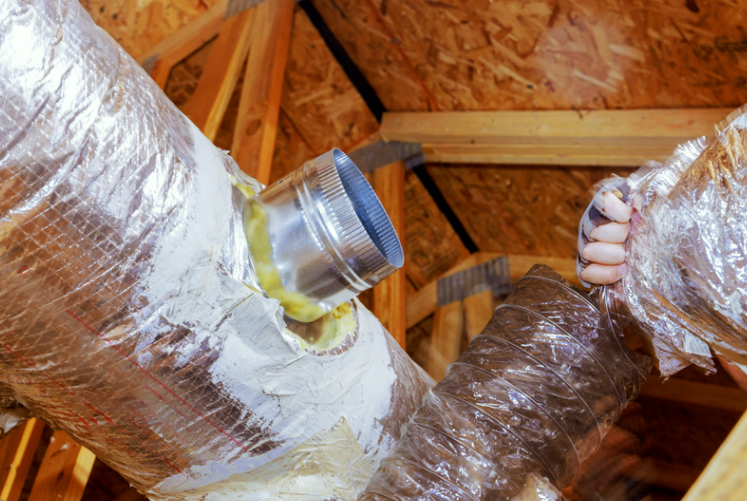
The ducts are made of a tough, silvery, foil-like material. Installers carefully plan the network’s size and layout to deliver even temperatures to each room.
Indoor and Outdoor Units
The system runs on two main parts: an indoor and outdoor unit. You’ll find the indoor unit tucked away in your roof space, under the floor, or sometimes mounted outside.
The outdoor unit contains the compressor and sits in a well-ventilated outdoor spot to keep noise down. Refrigerant pipes and electrical wiring connect these units so they work as one.
Refrigerant Cycle Explained
The cooling process works in a continuous loop:
- Evaporation: Warm air from your home flows over cold evaporator coils in the indoor unit. The refrigerant absorbs heat, cools the air, and turns into gas
- Compression: The refrigerant gas moves to the outdoor unit, where the compressor raises its pressure and temperature
- Condensation: Air blows across the hot refrigerant coils, releasing heat outdoors and turning the refrigerant back to liquid
- Expansion: The refrigerant passes through an expansion valve and becomes cold again, ready to restart the cycle
The system reverses this process to heat your home, pulling heat from outside air.

Zoning and Temperature Control
Motorised dampers at duct junctions direct air towards specific areas. You can group bedrooms in one zone and living areas in another to save energy by not conditioning empty rooms.
Air Return and Circulation
A large grille marks the return air vents that pull indoor air back for reconditioning.
These vents move air through return ducts and keep your home comfortable through continuous circulation. This system also filters out dust and allergens to keep your indoor air clean and healthy.
Pros and Cons of Ducted Air Conditioning
These systems come with some unique benefits, but you should always consider how well they’ll work in your home.
Ducted systems excel at keeping temperatures consistent throughout your entire home, meaning you won’t have the hot and cold zones that split systems can create. Many Brisbane homes feature open-plan designs where this even temperature distribution really shines.
Ducted systems are also practically invisible indoors, so you won’t have to worry about bulky wall units cramping your space or influencing your style choices. Real estate professionals regularly report higher values for homes with quality ducted systems, making them a smart investment.
Another benefit is these systems run quietly. The main unit sits outside or in your roof cavity, so ducted systems make very little noise, keeping your bedrooms peaceful, your home office productive, and your living areas undisturbed.
The biggest problem people face with ducted systems is the upfront cost. Installing these systems takes a lot more work than a split system, meaning they’re pricier. Installations can get complicated too. Updating existing structures with ducts often needs major ceiling or wall modifications. You’ll need skilled professionals, and older buildings with limited access points make the job even tougher.
Space requirements can limit your options. These systems need enough roof cavity or under-floor space for the central unit and ductwork. Without enough space, you’ll either have to settle for split systems or commit to expensive structural changes.
When Ducted is the Right Choice
Ducted air conditioning works best in large properties where you just need to control multiple rooms at once. It’s perfect for:
- New constructions where ductwork can be installed during the build
- Open-plan homes
- Multi-storey properties
- Homes where looks and quiet operation matter most
The superior comfort, efficiency, and boost to property value make the original investment in ductwork well worthwhile.
Installation and Maintenance Essentials
A professional ducted air conditioning installation ensures your system works at its best. Brisbane families should know these important details about installation and maintenance.

What to Expect During Installation
A ducted system installation takes 2 to 3 days, based on your home’s size and layout. Your installer will first inspect the site to design a custom duct system that fits your home.
The team will then cut ceiling access points, install return air grilles, set up ductwork, and place both indoor and outdoor units. They’ll test everything thoroughly to make sure the airflow and temperature control work perfectly.
Space Requirements
Your home needs adequate roof cavity or underfloor space to fit the indoor unit and ductwork. A physical roof space check by your installer will confirm if there’s enough clearance.
Bigger systems might need three-phase power instead of standard single-phase power.
Routine Maintenance Tasks
Regularly cleaning your filters is the easiest way to keep your system working at its best.
You’ll need to take out the filters from the return air grille, wash them with warm soapy water, and let them air dry before putting them back. Daily users should clean filters monthly, while quarterly cleaning is enough for occasional users.
The outdoor unit should stay free of leaves, dirt and debris to work properly.
How to Service Your System
Your system needs professional servicing at least once a year. Systems in coastal areas face extra stress from salt and humidity, so they might need servicing twice yearly.
Look out for these warning signs:
- Less air coming from vents
- Strange rattling or buzzing sounds
- Bad smells from ductwork
- Unexpected increases in energy bills
- System turning on and off too often
- Water leaks or moisture problems
Quick action on these warning signs stops small problems from turning into expensive repairs.
Want to Know if Ducted is Right For Your Home?
Now that you’ve got a better understanding of what ducted air conditioning is, hopefully you have a better idea of whether it’s a good fit for your home. The right climate control system will keep your family comfortable whatever Queensland’s weather brings.
Here at BG Electrical and Air Con, we believe your home deserves to feel comfortable all year round. Our experts are always on hand to talk about your air conditioning needs. We’re always honest about our pricing, so you don’t have to stress about hidden fees or surprise costs.
Talk to us today and find out whether a ducted system is the right choice for you.