Air Conditioning Installation Brisbane: What You Need to Know Before Hiring
May 5th, 2026
Air conditioning installation in Brisbane involves more than selecting a unit and booking the first available technician. Qualified installers must hold proper electrical and refrigerant licenses to ensure your system operates safely and efficiently. Choosing the wrong installer can lead to voided warranties and repairs that get pricey down the line.
You might be thinking about split system air conditioning installation or ducted air conditioning installation. Understanding what separates professional aircon installation from substandard work matters. This piece covers everything you need to assess installers, including required qualifications, pricing transparency, and common installation mistakes that could compromise your comfort and investment in your air conditioner installation.
Understanding Your Air Conditioning Needs
Space requirements calculation are the foundations of successful air conditioner installation. Room size determines capacity needs, but ceiling height, insulation quality and window placement all influence the final specifications. Accurate measurements prevent the common mistake of installing an undersized or oversized system.
Room Size and Layout Considerations
Measure room dimensions by multiplying length by width to get square meters. A bedroom measuring 4m x 5m equals 20m² of floor space. Ceiling height matters, as most calculations assume standard 2.4m ceilings. Rooms with 2.7m ceilings just need about 10% more capacity, while 3m ceilings require 20% additional capacity.
Open-plan layouts present different challenges compared to enclosed rooms. Air moves freely between connected spaces and requires greater capacity to maintain consistent temperatures throughout. Your system works harder when insulation quality is poor. Poor insulation allows heat transfer and forces the unit to run longer cycles. Window orientation plays a role too. West-facing windows receive harsh afternoon sun that raises indoor temperatures during peak hours.
Cooling Capacity Requirements
Capacity requirements vary based on room size and climate conditions. Small rooms up to 20m² just need 2.5 to 3.5 kW systems. Medium rooms between 21-40m² require 3 to 5 kW output. Large spaces from 41-60m² just need 5 to 8 kW capacity. Brisbane’s warm, humid climate requires consistent cooling power, though not as much as Darwin, which needs 2.9 kW for a 30m² room compared to Brisbane’s 2.6 kW requirement.
Ducted systems follow different sizing principles. A general calculation multiplies living area by 150 watts with standard ceiling heights. Homes around 90m² need about 14 kW capacity, while 120m² properties require 19 kW systems.
Energy Efficiency Ratings
SEER (Seasonal Energy Efficiency Ratio) measures cooling output divided by energy input. Higher SEER ratings deliver better efficiency and lower electricity costs. An 18 SEER unit operates about 20% more efficiently than a 14 SEER model. A 20 SEER system achieves 43% better efficiency than 14 SEER units. Reverse cycle air conditioners in Australia range between 300% to 600% efficient because they transfer heat rather than generate it.
Heating and Cooling Options
Reverse cycle systems provide both heating and cooling from one unit. These systems can deliver more than 3 kW of heating or cooling from just 1 kW of power input. Split systems suit single rooms, multi-split configurations handle several rooms, and ducted options cover whole homes.
Essential Qualifications and Standards
Proper licensing protects you from installation failures and legal issues. Brisbane installers must hold multiple credentials before touching your air conditioning installation. Verifying these qualifications beforehand prevents expensive mistakes.
Electrical and Refrigerant Licenses
Any person handling refrigerant during aircon installation must hold a Refrigerant Handling License. This requirement applies to anyone working with fluorocarbon refrigerants or air conditioning components that carry emission risks during installation, servicing and decommissioning. You commit an offense if you handle refrigerant without this license.
Queensland technicians need a Certificate III in Air Conditioning and Refrigeration (UEE32220) to qualify for a full Refrigerant Handling License. Electrical work requires proper licensing as well. Installers performing split system air conditioning installation must complete mandatory electrical qualification modules, such as UEERL0004 for disconnect-reconnect work and UEERL0005 to locate faults in low voltage equipment.
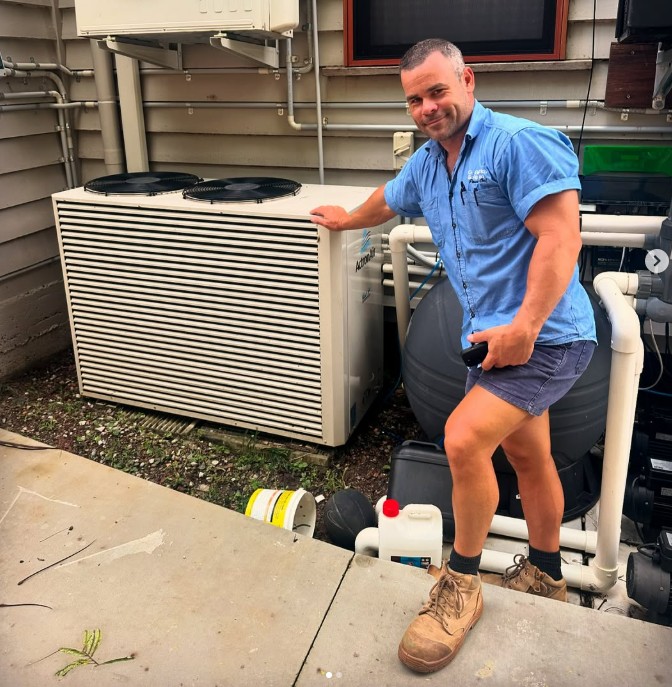
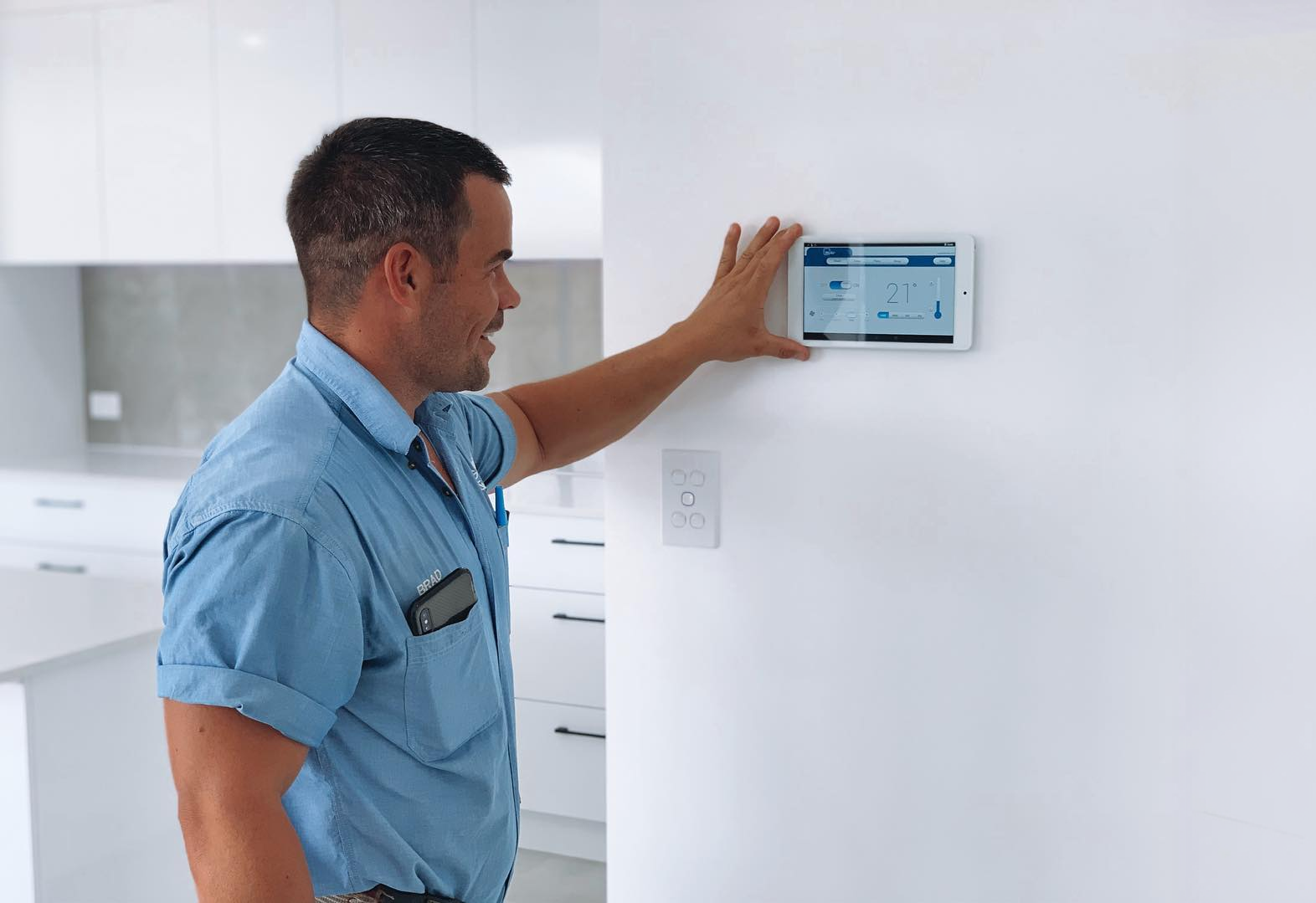
At BG Electrical and Air Con we hold all the required certifications, so you can trust you are in the right hands
QBCC and Industry Certifications
The Queensland Building and Construction Commission (QBCC) regulates air conditioner and installation work throughout Brisbane. Contractors must demonstrate two years of experience beyond apprenticeship training in mechanical services work. Technical qualifications from Registered Training Organizations, apprenticeship papers or Recognition of Prior Learning certificates serve as acceptable proof.
QBCC applicants need referees who hold licenses at the same or higher level and can verify onsite experience. Managerial qualifications like BSBESB402 are required to establish legal and risk management capabilities.
AT BG Electrical and Air Con we hold a valid QBCC license
Questions to Ask Before Hiring an Installer
You need to ask specific questions to evaluate installers. These questions reveal their professionalism and transparency. The conversations uncover potential issues before you commit to any air conditioning installation Brisbane project.
Pricing and Quote Transparency
Request detailed installation quotes. Reputable installers conduct site inspections rather than providing quotes based on phone descriptions alone. Ask whether the quote represents the final price or if additional charges might apply. Lower quotes often exclude electrical upgrades and complex installation work. Confirm what your quote covers in detail to avoid surprises.
Installation Timeline and Availability
Budget at least half a day for split system air conditioning installation and one to two full days for ducted air conditioning installation. Complex commercial systems may require a week or more. Installation timeframes vary depending on complexity, with residential installations taking one to two days. Autumn and winter scheduling can reduce costs, as the need for installations drops outside peak summer season.
Warranty Terms and Conditions
Manufacturer warranties cover five years but require professional installation by licensed technicians to remain valid. Installation warranties from reputable installers offer a minimum 12 months coverage, with some matching product warranty periods, which we do at BG Electrical & Air Con so long as you get your air conditioner serviced by us yearly.
Included Services vs Extra Charges
Additional costs include extra piping and interconnecting cable for second-floor installations, multi-unit setups, hard-to-access areas like roofs, poly slab installation, wall-mounting brackets and electrical circuit upgrades.
Common Installation Mistakes to Avoid
Four critical errors can derail your air conditioning installation Brisbane project before work even begins. You protect your investment and ensure system performance when you recognize these pitfalls.
Choosing Unlicensed Installers
The law prohibits anyone from handling refrigerant without a license. Unlicensed technicians cannot provide insurance coverage. This leaves you liable for accidents, injuries, or property damage during installation. Manufacturers void product warranties when unlicensed installers perform the work. Beyond financial risks, electrical work done wrong creates fire hazards and potential carbon monoxide exposure from gas system errors.
Skipping the Site Assessment
Installers who quote without visiting your property increase the risk of installation day problems. Site visits identify electrical capacity, access constraints, optimal unit positioning and actual cooling requirements. Units installed without assessment may be undersized or positioned wrong. They may also be installed without accounting for heat gains and airflow.
Book a free quote with us and we can come and inspect your home to make sure you’re getting the correct air conditioner installed for your space.
Ignoring Energy Efficiency
Cheaper air conditioning units have lower energy efficiency. This drives electricity costs higher over time. Better-rated systems reduce long-term running expenses despite higher upfront costs.
Conclusion
Professional air conditioning installation protects your investment and will give optimal performance for years to come. Choosing licensed installers with proper refrigerant and electrical qualifications is non-negotiable for warranty validity and system safety. You should compare multiple quotes and verify credentials before committing. Insist on detailed site assessments. Brisbane’s climate just needs reliable cooling, and cutting corners on installation will cost you more through inefficient operation and expensive repairs. Make the right choice upfront and you’ll enjoy comfortable temperatures without the headaches.
FAQs
Q1. What should I verify before hiring an air conditioning installer? Before hiring an installer, verify they hold proper NSW licenses and ARCtick numbers, and ensure the company name matches the quote. Request a written heat-load calculation based on your room’s square meters, insulation, glazing, and orientation rather than relying on rough estimates. Additionally, confirm they have the necessary refrigerant handling and electrical licenses required for safe installation.
Q2. Why should I wait before restarting my air conditioner? You should wait at least three minutes after turning off your air conditioner before turning it back on. This brief pause allows the refrigerant pressure in the system to equalize, preventing potential damage to the compressor and ensuring the unit operates safely and efficiently.
Q3. What are the key steps involved in air conditioning installation? The installation process includes selecting the right location, preparing the installation site, installing the mounting bracket, mounting the indoor unit (for split systems), and installing the outdoor unit. Professional installers also handle electrical connections, refrigerant lines, and ensure proper drainage and airflow for optimal system performance.
Q4. How long does a typical air conditioning installation take? A split system installation typically takes at least half a day, while ducted systems require one to two full days. Complex installations or commercial systems may take up to a week or more. The exact timeframe depends on factors like system type, accessibility, and whether electrical upgrades are needed.
Air conditioning is usually good for your health, especially when you live in a hot, humid climate like Brisbane’s. However, the effects of air conditioning on your health depend on how you use and maintain it. In this article, you’ll learn what air conditioning does for your body. We’ll also explain how to use it […]
Zoning lets one ducted system treat different parts of a home differently. Imagine setting the right indoor temperature that suits everyone. Honestly, that is as close to the definition of a near-impossible task as you can get. Each of us may have individual cooling and heating needs and there is no one comfortable indoor temperature […]
Saw water leaking from your AC unit? You’re not alone. This issue usually happens when the condensate drain line is blocked, though several other factors could be at play. If you don’t fix your AC, the water leaking from it could reach its electrical components, stain your walls and ceilings, encourage mould growth, or damage […]
Cleaning your air conditioner filter regularly improves the AC’s performance, reduces how much energy it consumes, and extends its lifespan. You’ll also breathe in healthier air when you’re indoors. The cleaning process is way easier than you think. Let’s walk through it together. Do these before cleaning your AC Turn off the air conditioner Safety […]
You set a target temperature of 23°C. Minutes later, you raise it to 24°C. That 1°C increase may seem minor, but it makes a big difference in the air conditioner’s energy consumption. Generally, for every 1°C increase in the target temperature, an AC’s energy usage drops by 5–10%. For homeowners in Australia, even slight AC […]
You want to find the perfect climate control solution for your home. But there’s just a bit of a snag: you can’t seem to choose between a ducted air conditioner and a split system. Ducted systems are a great fit for you if you’d like to maintain the same temperature across all rooms in your […]
The math should be straightforward: find out how many watts you need per square metre and multiply that by the floor area of your room. In reality, the answer is rarely that simple. Most commercial calculators recommend 3.5 to 5 kilowatts for a 30 square metre room, which is a typical range, yet you can’t […]
Operating quietly and reducing energy consumption by up to 44%, inverter air conditioners are easy to sell. An inverter air conditioner owes its energy efficiency to advanced inverter technology that allows the compressor to adjust its speed based on your cooling needs. That said, choosing an inverter AC isn’t always a no-brainer. There are still […]