Split System Air Conditioning Maintenance: What to Check
Spring is here, and the days are getting hotter as we ramp up to the end of the year.
That means now’s the perfect time to check your air conditioner and make sure it’s ready to handle the scorching summer days ahead, especially if you’ve got a split system that’s been working hard all winter.
The Aussie climate means our split systems work extra hard to keep our homes comfortable, but even the best unit will need a little extra attention every now and then, and that’s where we come in. As experts in Brisbane air conditioning, we’re here to give you a few DIY tips to keep your unit healthy, as well as some signs to look out for that tell you it’s time for a full service.
Table of Contents
Understanding Your Split System Air Conditioner
Split system air conditioners are a common sight in Australian homes to keep us cool in summer and toasty warm in winter. To understand why proper maintenance matters, it’s a good idea to get your head around how these systems work.
Indoor and outdoor units
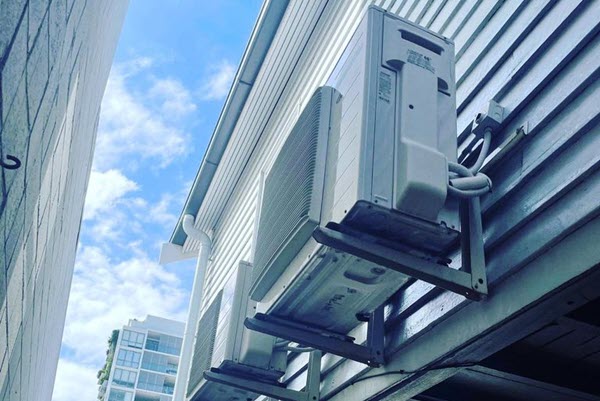
The name “split system” comes from having two separate units. The indoor unit pulls warm air from the room and cools it over the evaporator coil before it flows back into your space. The outdoor unit does the heavy lifting by removing heat from your home and keeping the noisy parts outside so your indoor space remains quiet.
Why Brisbane homes rely on split systems
Brisbane’s weather means you need reliable cooling, and split systems keep you comfortable on summer days without blowing up your power bill. They fit easily into most Brisbane homes without major renovations, and they let you cool specific rooms rather than waste energy on empty spaces.
Modern units can both cool and heat, which is great for those old Queenslanders that don’t handle cold winter nights very well, and they run quietly so you don’t have to crank up the TV to drown them out.


Essential DIY Maintenance Checks
DIY maintenance is important to keep your split system running at its best. A few simple checks can substantially reduce your running costs and extend your unit’s life.
Clean air filters
Filters trap dust and prevent it from circulating through your home. Manufacturers usually recommend cleaning filters every few weeks, but this depends on how often you use your system. You should clean them twice yearly at minimum.
Here’s how to clean your filters:
- Switch off your unit at the wall
- Open the front panel and carefully remove the filters
- Take them outside to shake or brush them, or vacuum with a dusting brush attachment
- Wash grimy filters in warm water with mild detergent, then rinse well
- Let them dry completely before putting them back
- Wipe down indoor unit surfaces
A clean indoor unit prevents breakdowns and keeps efficiency high. Use a dry cloth to wipe down the exterior, but avoid chemical cleaners that can damage your unit.
Clear debris around the outdoor unit
Your outdoor condenser unit needs good airflow to work properly. Keep the surrounding area free of leaves and dirt, and trim back plants to leave at least 60cm of clear space for air circulation. Check the unit every now and then and brush the grill gently to remove built-up debris.
Use the self-cleaning function if available
Some modern split systems come with a self-cleaning function that stops mould growth and bad smells. This feature dries the internal parts, including the fan and evaporator coil.
Follow your unit’s instruction manual for guidance on how to use this function, but running it every few weeks usually works best.
What to Inspect Beyond the Basics
Regular maintenance tasks are important, but your split system needs more attention. Simple checks can spot problems before they get pricey.
Check settings and responsiveness
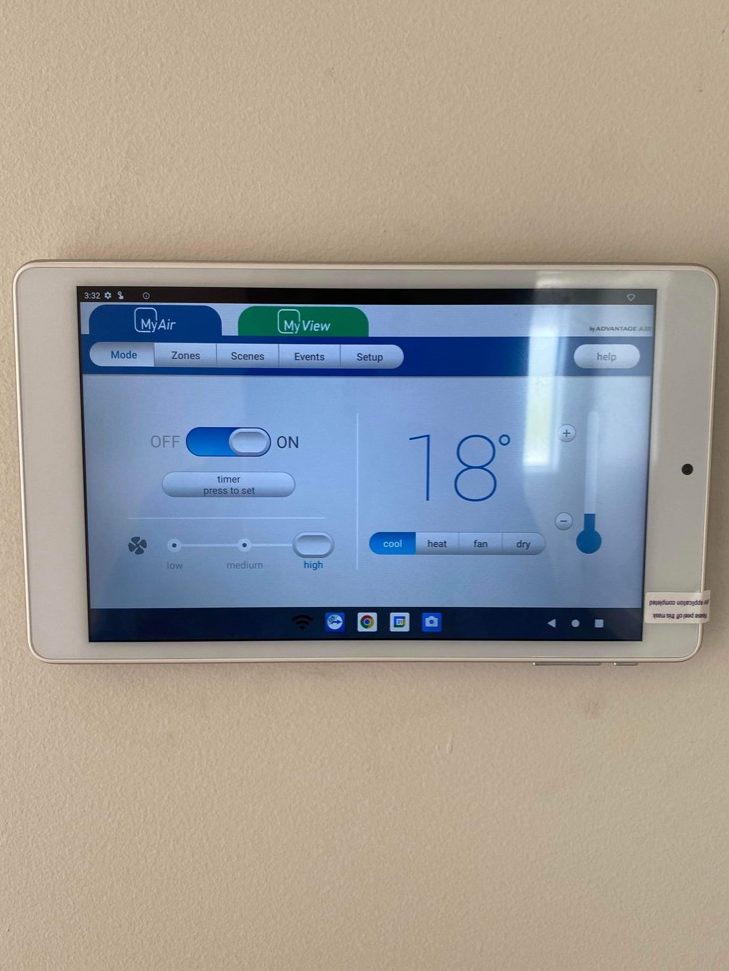
Make sure the symbol on your remote matches your needs, whether it’s cooling (snowflake icon) or heating (sun icon). The temperature setting should be around 22-25°C to help you get the most benefit while still saving energy.
Inspect refrigerant lines for visible damage
Your system’s performance depends on the refrigerant lines between indoor and outdoor units. Keep an eye out for any damage or oil spots that could point to refrigerant leaks. These leaks hurt your system’s efficiency, so you’ll need a professional to fix them.
Look for signs of water leaks or blocked drains
Watch out for these warning signs:
- Water dripping from the indoor unit
- Watermarks on walls beneath the unit
- Pooling water on the floor
- Mouldy smells around the air conditioner
A blocked drain line usually causes these issues, and quick action prevents water damage and mould from taking hold.
When to Book a Professional Service
DIY checks help you keep your split system running between visits, but professional servicing plays an important role in optimal performance.
What a full air conditioner service includes
Professional split system maintenance goes far beyond simple cleaning. A detailed service typically includes:
- Complete system inspection and cleaning
- Filter replacement and coil cleaning
- Refrigerant level checks and top-ups
- Electrical connection testing
- Thermostat calibration
Technicians know how to diagnose potential issues with precision and make sure all your components are working correctly and safely.
How often to service split system air conditioners in Brisbane
Brisbane’s climate means you should schedule professional split system maintenance once every 12 months. Spring works best to book your service appointment so your system is ready for summer’s heavy workload. If your unit is running constantly, you might need servicing every six months to stop problems from building up.
Benefits of professional servicing
The professional technicians at BG Electrical and Air Con offer expertise that DIY maintenance can’t match. We spot wear patterns, lubricate moving parts, and fix small issues before repairs get pricey. Expert servicing can add years to your split system’s life, as well as knock off a few dollars off your power bill.
Stay on Top of Your Split System AC Maintenance
A well-looked-after split system air conditioner will return the favour by keeping you comfortable year-round. It’ll also use up to 40% less energy and last years longer than a neglected unit, so regular servicing can help you save in the long run.
DIY maintenance helps between service visits, but booking a professional service is the best way to keep your system healthy. The team at BG Electrical & Air Con checks everything from the refrigerant to electrical systems to make sure your AC is running smoothly. Don’t wait for a breakdown to hit in the middle of summer! Get in touch with us to stay on top of your split system maintenance.