
The Ultimate Air Conditioning Maintenance Guide
Your neglected air conditioning system could set you back $5,500 to $15,000 for a complete replacement, but a professional tune-up only costs between $75 and $200.
Regular maintenance will help keep your cooling system running smoothly for years. Think of it like your car: your air conditioner just needs routine attention to work at its best.
Your energy costs can drop by 25-40% with proper maintenance, especially when you have split system or ducted air conditioners.
On top of that, it keeps your equipment running longer and performing better. Small problems that go unchecked often lead to complete system breakdowns, so regular maintenance makes perfect sense.
Today, our expert Brisbane air con team will go over everything air conditioning maintenance.
Table of Contents
How Your Air Conditioning System Works
Your air conditioning system’s maintenance depends on understanding how it works.

The Basic Cooling Cycle Explained
The air conditioning system operates on a refrigeration cycle that moves a special chemical compound, called a refrigerant.
This refrigerant works according to a fascinating law of physics.
When a liquid turns into a gas, it absorbs heat. When the gas changes back into a liquid, it releases that heat.
Your system starts the cycle as the refrigerant enters your home’s evaporator coil as a cold liquid. The refrigerant absorbs heat and turns into gas when warm indoor air moves over these cold coils.
This cools the air that flows through your living space. The warm refrigerant gas then moves to the outdoor unit, where it is compressed, increasing its temperature and pressure.
The hot refrigerant passes through the condenser coil, where outdoor air removes the heat. The refrigerant cools, liquefies, and returns to the compressor to start over.
Your air conditioner’s components each play a vital role in cooling:
- Compressor – works as your system’s heart by pressurising and pumping refrigerant gas between indoor and outdoor units. This outdoor component turns low-pressure gas into high-pressure gas and raises its temperature.
- Evaporator coil (inside) and condenser coil (outside) – aid heat exchange. Your home’s heat transfers to the evaporator while the condenser releases it outdoors.
- Blower fan – moves air across the evaporator coil and throughout your home through ducts or directly into rooms, based on your system type.
- Thermostat – acts as the command centre, monitoring room temperature and telling the system when to run based on your preferences.
Your air conditioner does more than cool, it filters and dehumidifies. The system’s onboard filter catches airborne particles as air moves through. Clean filters give you better air quality and system performance.
Air conditioners also remove humidity naturally. Moisture forms on the cold evaporator coil like water droplets on a cold drink during summer. This water drains through a condensate line, reducing your home’s humidity.
That’s why these systems need drains and moisture-collecting pans to remove water, especially in humid weather.
The system will cool efficiently and maintain proper air filtering and dehumidification with regular component maintenance.
Why Regular Air Conditioner Maintenance is Essential
Your air conditioner can lose up to 5% of its efficiency every year when neglected.
Regular air conditioning maintenance protects your investment and ensures peak performance all year round. This isn’t just a suggestion; it’s crucial.
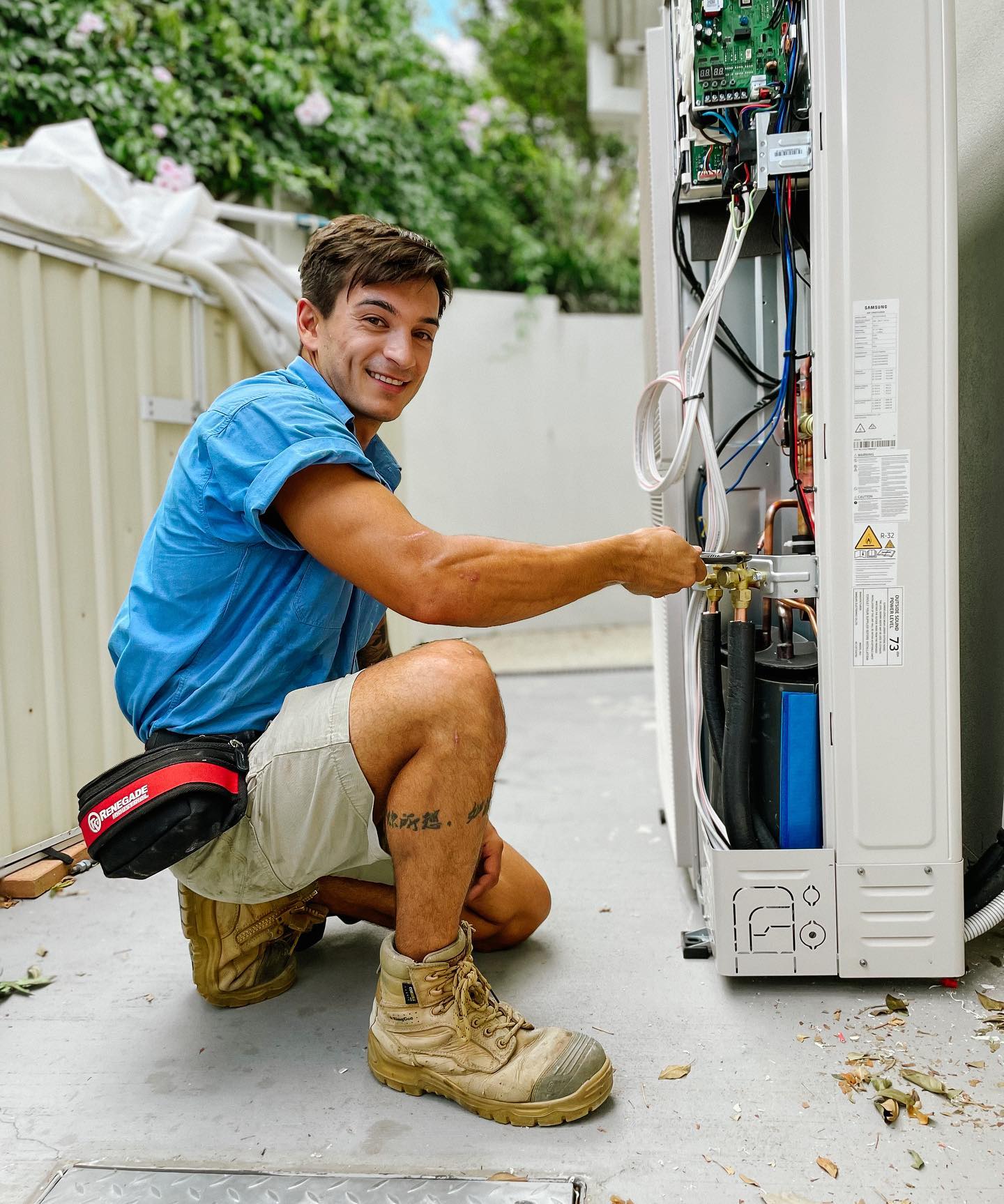
Good maintenance reduces your energy consumption significantly and helps control utility bills. Research shows that dirty coils and clogged parts can lower your system’s capacity by 20-40%.
Your energy use jumps by 5-10% with each extra degree of cooling in summer. Regular servicing helps all components work together smoothly. Your system cools spaces faster while using less power.
A well-managed air conditioner needs less effort to keep temperatures comfortable.
You’ll notice the savings on your monthly bills.
Air conditioners typically last 10-15 years, but poor maintenance can drastically shorten that lifespan.
Regular maintenance helps spot problems before they turn serious. Think of your air conditioner like your body: regular checkups and care help it live longer.
Annual or bi-annual servicing protects your original investment. This delays the need for system replacement, which can get pricey.
Commercial air conditioning units break down every 3.5 years without proper care. Major failures often start from these common issues:
- Refrigerant leaks that slowly reduce cooling power
- Blocked ducts and airflow restrictions that damage parts
- Electrical connection problems that create safety risks
Early detection of small issues stops them from becoming expensive repairs or complete system failures. This saves money and prevents hassles.
Manufacturers need proof of regular maintenance to honour warranty claims.
Missing scheduled services could void your warranty coverage. You’d then need to pay for repairs that should be covered. Almost all air conditioning warranties require professional maintenance.
This protects both you and the manufacturer from preventable failures.
What’s Included in a Professional Maintenance Check
Professional AC maintenance requires several critical checks and procedures that are way beyond the reach and influence of most DIY enthusiasts.
When you schedule a service, skilled technicians perform a series of tasks to keep your system running at peak efficiency.
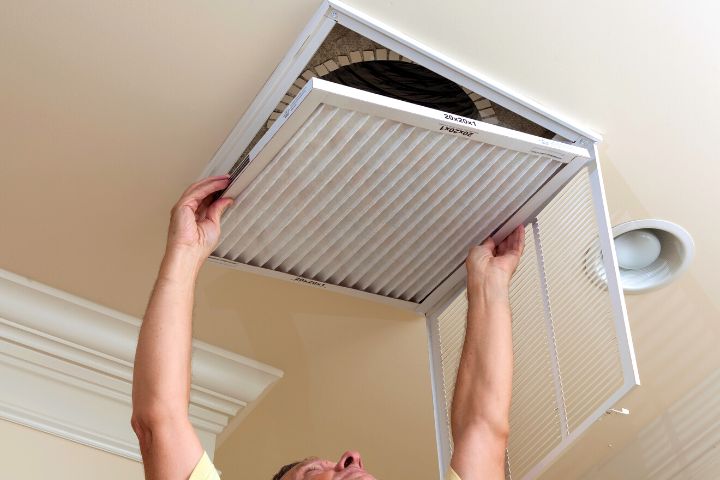
Cleaning Condenser and Evaporator Coils
Technicians really clean both your outdoor condenser coil and indoor evaporator coil.
Dirty coils make your system work harder and use up to 30% more energy. Professional technicians use specialised cleaning solutions and equipment to remove dirt, debris, and biological growth that naturally accumulate over time.
Checking Refrigerant Levels and Leaks
Your technician tests refrigerant pressure and levels to match manufacturer specifications.
Too little or too much refrigerant can damage your compressor and reduce efficiency. They also look for leaks with electronic leak detectors or special dyes that make tiny leaks visible under UV light.
Inspecting Electrical Connections and Controls
Loose connections create unsafe operation and shorten component life.
The maintenance has comprehensive checks of all electrical terminals, connections and controls. Technicians measure voltage and current on motors, tighten connections and look for signs of overheating or damaged wiring insulation.
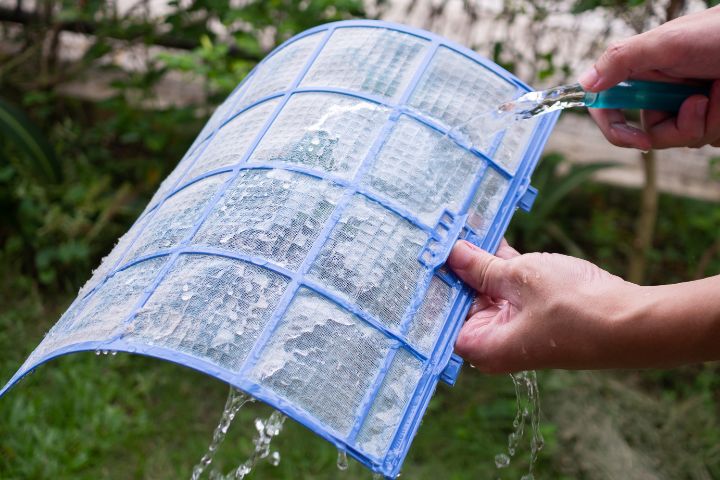
Testing Thermostat Calibration
Your system needs accurate thermostat calibration to control temperature effectively.
Technicians verify your thermostat’s temperature readings and the accuracy of its system response. They also check programming functions on smart or programmable models.
Lubricating Moving Parts
Many air conditioners still need regular lubrication despite advances in self-lubricating technologies.
Well-lubricated motors and bearings reduce friction, use less electricity, and last longer. Your technician applies the right lubricants to all the parts that need them.
Clearing the Condensate Drain Line
The condensate drain removes moisture collected during cooling. This drain can clog with algae, mould or debris over time.
Technicians clear this line with specialised vacuum equipment or pressurised air to prevent water damage and humidity issues in your home or business. Professional maintenance becomes crucial, especially for split system or ducted air conditioners that face unique challenges in our climate.
DIY Air Conditioner Maintenance Tips for Homeowners
Professional maintenance plays a key role, but you can extend your air conditioner’s life between service visits with regular DIY care.
These simple maintenance tasks need basic tools and offer huge benefits.
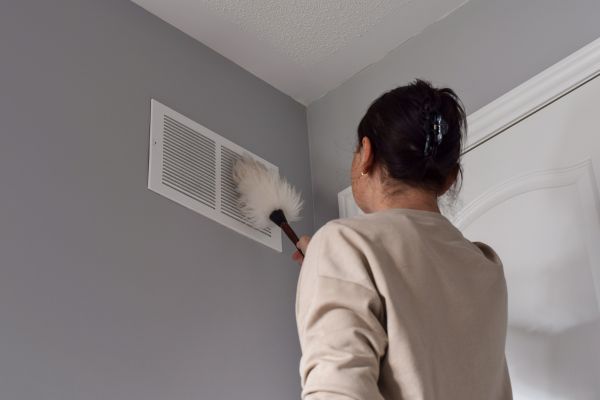
Your AC’s filter acts as the first defence against airborne particles. Dirty filters block airflow, making your system work harder and use more energy. You should clean or replace filters every one to three months.
Pet owners or allergy sufferers might need to do this more often. Clean filters can cut your AC energy usage by up to 15%. Your system will run better and keep your indoor air quality at its best.
Leaves, grass clippings, and other debris accumulate around outdoor condenser units, restricting airflow. You need to clean around your unit and remove plants within at least 30 cm.
This quick task helps your system run better and prevents strain from poor airflow.
If your outdoor unit isn’t level, its fan motor and parts can be damaged by excess vibration.
Use a carpenter’s bubble level to check if it’s straight. You can fix any tilt with shims to stabilise it. This stops refrigerant from collecting in the wrong places and helps parts last longer.
Good insulation on refrigerant lines prevents energy waste and condensation.
Look at the foam covering on copper pipes between indoor and outdoor units for any damage. The proper insulation prevents water buildup and protects your compressor from excess heat.
You can save about 10% on heating and cooling costs each year with programmable thermostats.
Program your thermostat to run at energy-saving temperatures while you sleep or when you’re away. Summer temperatures should be higher when you’re out, then adjust to comfort levels when you return.
Some problems need expert help. Call professionals if you see frost on your running unit, notice lower efficiency, hear strange noises, or if the system short-cycles.
You still need yearly professional checks to test refrigerant levels, electrical connections, and complex parts.
Book Your AC Service with BG Electrical & Air Con
Your air conditioner works hard to keep you comfortable year-round, especially through the harsh Australian summers.
Regular maintenance isn’t just about avoiding costly breakdowns; it’s about extending the life of your system, improving energy efficiency, and maintaining healthy air quality.
Just like your car needs regular servicing, your AC system needs routine care to perform at its best. A well-maintained unit can use up to 40% less energy and last years longer than one that’s neglected.
The team at BG Electrical & Air Con are experts in Brisbane air conditioning servicing, from refrigerant checks to electrical safety and everything in between.
Don’t wait for a breakdown to take action. Get in touch with BG Electrical & Air Con today and let the professionals keep your system running smoothly.