Air Conditioner Not Heating -
7 Common Causes and Solutions
When your air conditioner isn’t heating properly, it can cost more than just your comfort. Efficiency drops, bills go up, and those chilly winter mornings will just get worse and worse.
The best way to avoid those frustrations is to catch heating issues early. At BG Electrical and Air Con, we’ve seen it all when it comes to ACs not heating properly, and as a leading Brisbane air conditioning specialist, we’ll take you through the most common problems we see and give you some tips to avoid them.
Table of Contents
7 common reasons your air conditioner is not heating
Air conditioner not heating your home the way it should? Let’s get into the most common problems that keep your reverse cycle system from producing enough heat.
1. Incorrect settings or mode selection
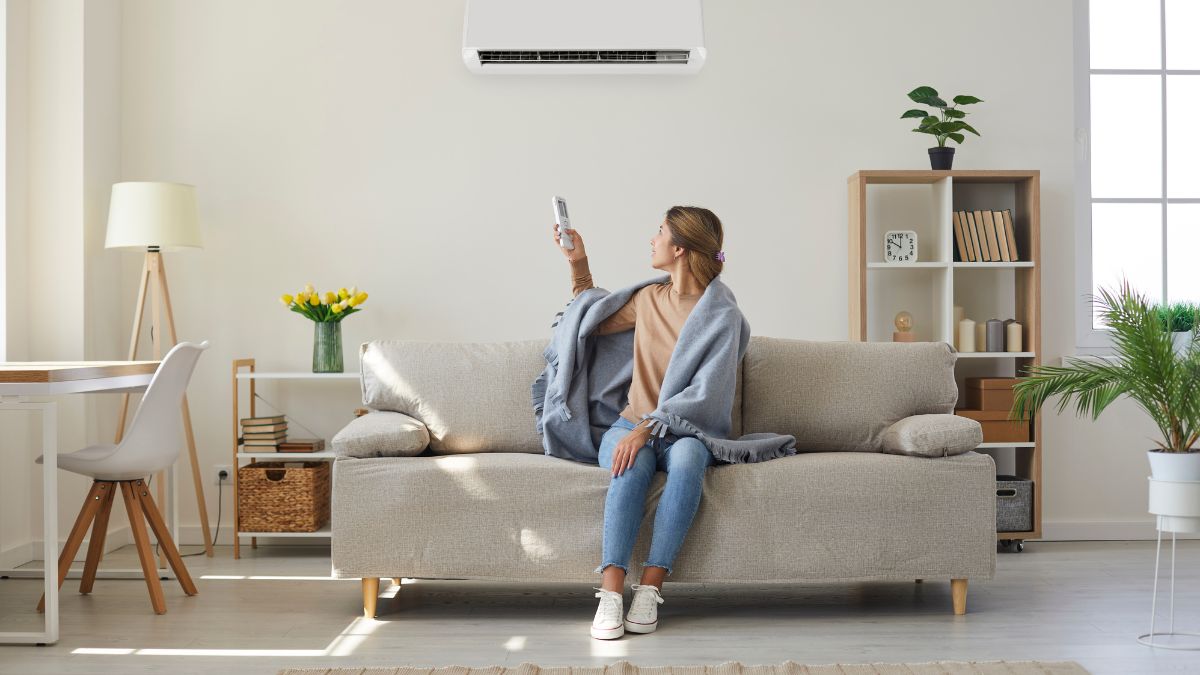
Before you book a service or search for new parts on eBay, make sure you double-check your settings. Simple user mistakes can happen to anyone, so make sure your system is set to heat mode instead of auto or fan. The temperature setting should be higher than what’s currently in the room, otherwise you won’t feel a difference.
Take a quick look at your remote control for the heat symbol (usually shown as a sun icon) and make sure the fan speed isn’t too low to work properly.
2. Clogged or dirty air filters
They’re easy to forget about, tucked away inside your AC, but dirty air filters are one of the most common problems that affect heating performance.
Dust and debris in your filters can block airflow through the system, making your AC work harder to deliver less heat. You’ll notice weaker air coming from vents, longer heating times, and possibly bigger energy bills. Regular filter cleaning every 1-3 months (or more often if you live near main roads or construction sites) can fix these issues and help your system run better.
Air conditioners also remove humidity naturally. Moisture forms on the cold evaporator coil like water droplets on a cold drink during summer. This water drains through a condensate line, reducing your home’s humidity.
That’s why these systems need drains and moisture-collecting pans to remove water, especially in humid weather.
The system will cool efficiently and maintain proper air filtering and dehumidification with regular component maintenance.
3. Low refrigerant levels or leaks
Refrigerant keeps your air conditioning system running, and leaks can cause low levels that affect your system’s ability to heat.
Refrigerant works in a closed loop and shouldn’t need topping up, so low levels almost always mean you have a leak. Watch out for hissing sounds, frozen evaporator coils, longer heating times, and higher power bills. Keep in mind only licensed professionals should fix refrigerant problems, so give us a call if you suspect you’ve got a leak.
4. Faulty thermostat or sensor
A broken thermostat might send the wrong signals or read room temperature incorrectly, especially if it’s placed in direct sunlight or near kitchen heat. Bad thermostat signs include uneven heating, random system shutoffs, or the system not starting at all.
5. Defrost mode stuck or malfunctioning
Good reverse cycle systems come with an automatic defrost feature to melt ice on the outdoor unit. This usually takes 10-15 minutes, but it can last up to 45 minutes depending on conditions. Your system might be stuck in defrost mode if you notice compressor noise or the fans not moving. Even standby messages on your controller can indicate problems with the defrost sensors.
6. Electrical issues
Like most appliances in your home, air conditioners need reliable power to run at their best. Anything from tripped circuit breakers to blown fuses and wiring issues can cause heating failures. Frequent breaker trips might point to electrical problems that need professional help, especially in older homes with multiple appliances sharing the same circuit as your air conditioners.
7. Undersized or ageing unit
A system that’s too small for your space won’t heat well no matter what shape it’s in, and the same goes for a system that’s too old. Your system will start to lose efficiency after 10-15 years, needing more power to produce the same amount of heat. If you’re thinking about an upgrade or replacement, make sure you consult the professionals. Getting a properly sized, newer model often saves more money than fixing an old one repeatedly.
How to troubleshoot your AC
Before you call in the experts, try some of these troubleshooting steps to save yourself some time and money.
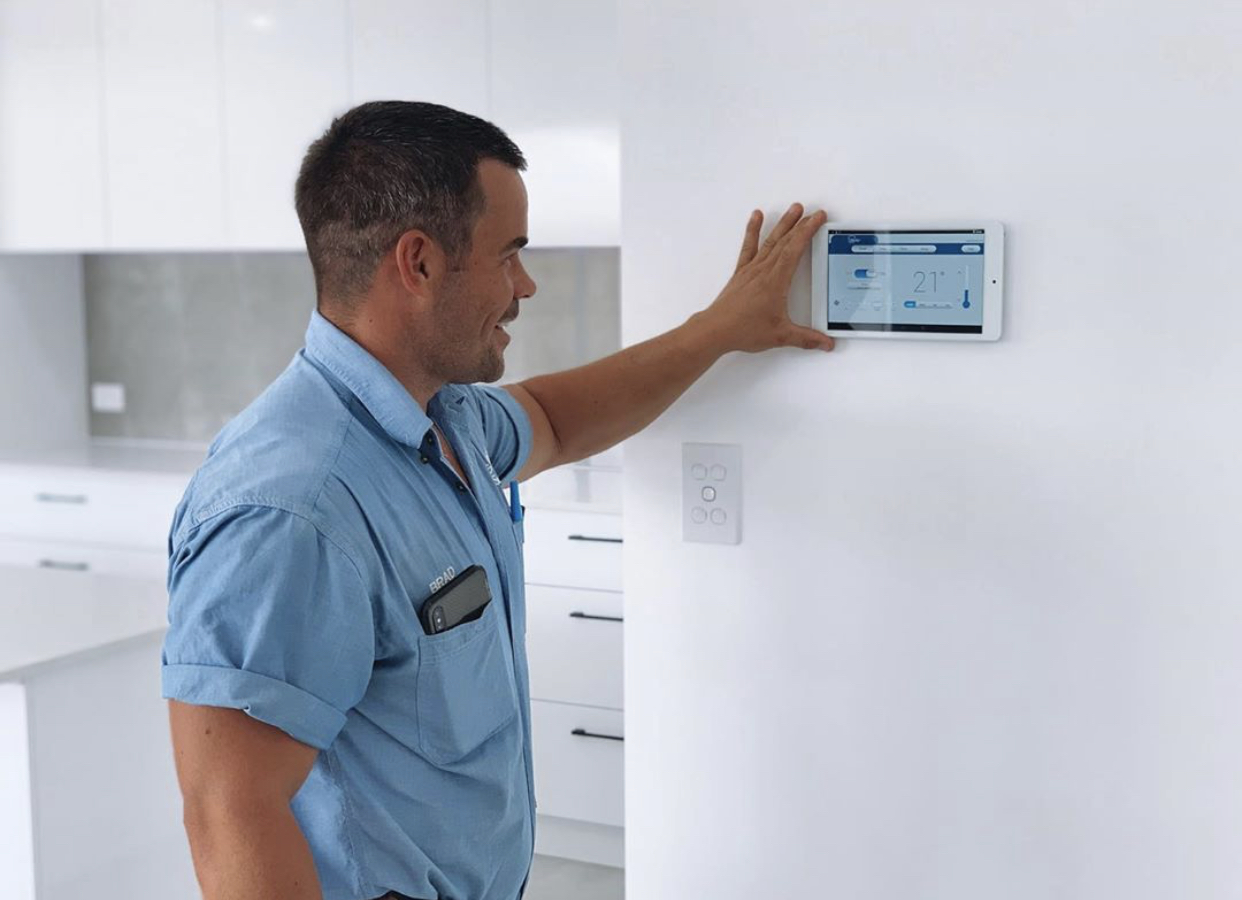
Your thermostat settings could be the source of many heating issues. Here’s what to check:
- Make sure your system is set to heat mode (usually shown by a sun symbol)
- The temperature should be higher than the current room temperature
- Your fan speed shouldn’t be too low to work properly
- Battery-powered thermostats need working batteries
The system might need a complete reset if the settings look correct but problems continue. Turn off your air conditioner with the remote, switch off the power at the isolator (usually near the outdoor unit), wait about 30-60 minutes, then restore power and restart the system.
Dirty filters can seriously reduce airflow and heating efficiency, and they need regular cleaning to keep your system healthy. You’ll find the filters behind the indoor unit’s front panel. Use a vacuum cleaner with a brush attachment to remove loose dust. For heavier dirt, you can gently wash them with mild soap and water. Just make sure they’re completely dry before putting them back
Clean your filters every 2-3 weeks during heavy use, or at least every 1-3 months.
Your outdoor unit needs clear airflow. Look for:
- Leaves, dirt or vegetation blocking the unit
- Ice buildup on coils or components
- Enough space around the unit (at least 30cm on all sides)
Modern air conditioners are great at taking care of the troubleshooting for you. Your user manual can help decode these signals, or you can photograph the blinking pattern to show a technician. Some units display numeric codes on the remote or indoor panel to make things even easier.
Find your home’s electrical panel and look for the air conditioning system’s circuit breaker. A tripped breaker sits in the middle position instead of fully on. Switch it completely off and then back on.
When to call a professional technician
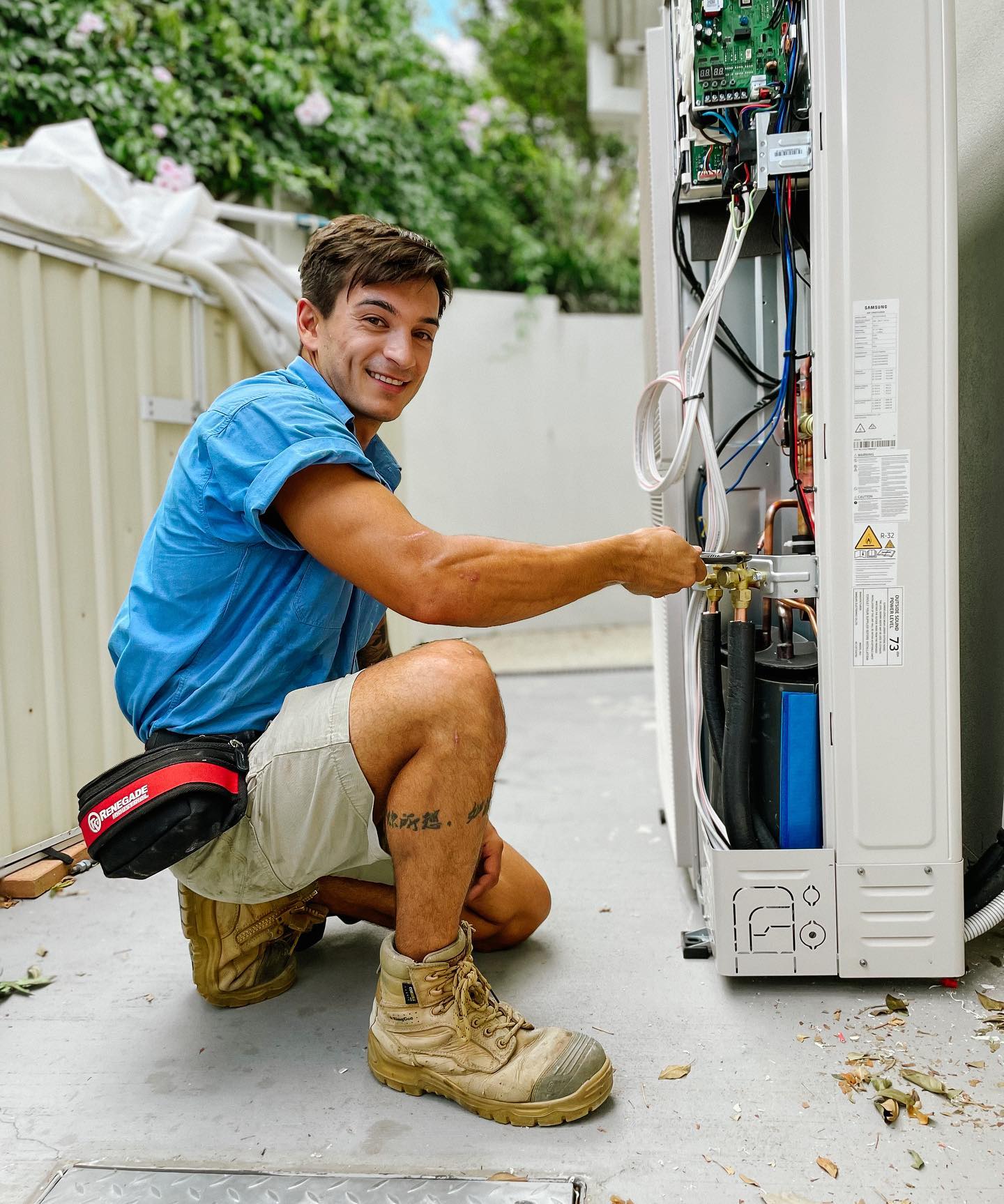
Troubleshooting is a good first step, but it can’t fix everything. If you can’t find a DIY solution, it might be time to call in the experts. A qualified technician can help you find the best solution and avoid dangerous situations.
Refrigerant handling and leak repair
Refrigerant leaks need immediate professional attention. Not only will an AC with low refrigerant levels not heat properly, but exposure to refrigerant gases can lead to headaches, nausea, and other health risks. If you notice hissing sounds, fluid leaks, or slow cooling performance, book a check-up so we can take care of any leaks before they turn into bigger problems.
Compressor or fan motor issues
Unusual sounds or a complete failure can indicate compressor and fan motor problems. Motor or bearing failure often creates grinding noises, while loose parts cause rattling sounds.
Electrical problems like bad wiring, loose connections, or broken capacitors often cause compressor failure, but you shouldn’t try to fix any of these yourself. DIY repairs on electrical parts can get pricey and dangerous.
Thermostat replacement or rewiring
You can adjust simple thermostat settings yourself, but malfunctions need professional diagnosis. Here’s when you should call a technician:
- Your system doesn’t respond to control changes
- It cycles on and off without temperature shifts
- Temperature readings are wrong
Bad thermostat wiring, loose connections, or corroded terminals can send wrong signals and cause unexpected shutdowns. HVAC technicians or qualified electricians can check the wiring, fix connections, and replace broken parts as needed.
Persistent heating failure after DIY checks
Call a professional if your air conditioner heating problems continue after simple troubleshooting. Watch for these warning signs:
- Your unit shows flashing error codes or lights
- Circuit breakers trip often
- You hear strange or loud noises
- Electrical problems create burning smells
- Energy bills spike without usage changes
The sooner you act, the better chance you have of catching a problem in the early stages before it turns into an expensive repair or replacement.
Time For Service?
An air conditioner that won’t heat properly will drive anyone crazy, but quick action on problems with your reverse cycle AC will save you from shivering through the winter months.
Here at BG Electrical and Air Con, we know how important reliable heating is for your comfort. That’s why we use our expertise to get your system running and keep it healthy with regular servicing. Our annual services are designed for Brisbane’s unique climate conditions to prevent future issues.
Don’t struggle through another cold morning with an underperforming heater. Reach out to us and book a service to get the warm air flowing.