
How Does Air Conditioning Work
One minute you’re sweating through a blistering summer day, and the next you’re relaxing in cool comfort.
At times like that, air conditioning can feel like a modern miracle. But have you ever wondered what exactly happens when you press that button on your remote?
The science behind the technology is fascinating, and understanding how Brisbane air conditioning works can help you choose the right system for your home.
At its most basic, an air conditioner uses refrigerant to absorb heat from a room, then pumps it outside to create a constant cycle where cool air returns to your house while heat exits. But let’s go further and break down the air conditioning process in more detail, including how different systems like reverse cycle and ducted air conditioning work.
Table of Contents
How Does an Air Conditioner Work?
Air conditioning isn’t magic, meaning it doesn’t create cold air from nothing. In reality, it’s just moving heat from one place to another. Unlike a fridge that just keeps things cold, your aircon works hard to keep your Brisbane home comfortable.
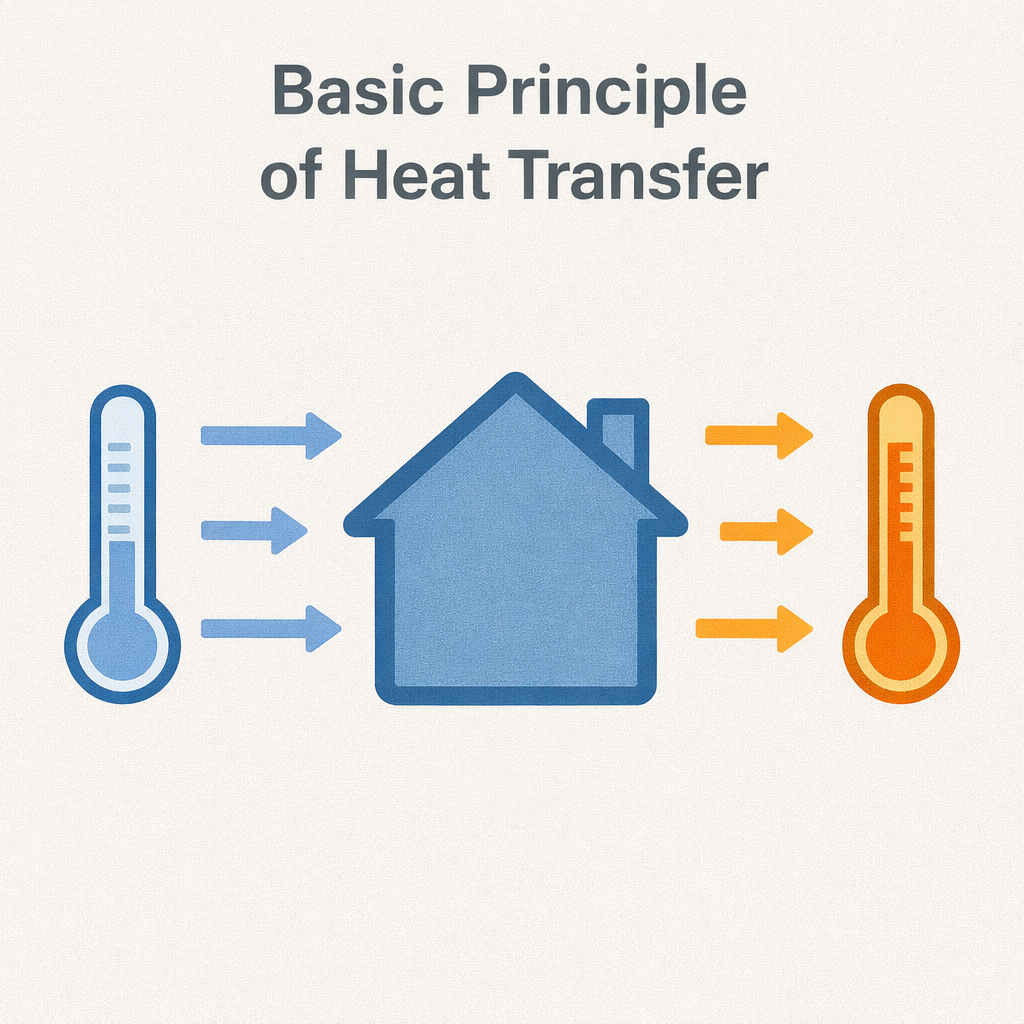
The Basic Principle of Heat Transfer
Air conditioners work through three types of heat transfer: conduction, radiation, and convection. Heat moves naturally from warmer areas to cooler ones, and your air conditioner uses this principle. The system takes indoor heat and moves it outdoors to cool your living space.
As liquid refrigerant absorbs heat from indoor air, it turns into vapour. This vapour flows to the condenser, where it releases heat outdoors and becomes liquid again. This cycle keeps running to maintain comfortable temperatures in your home.
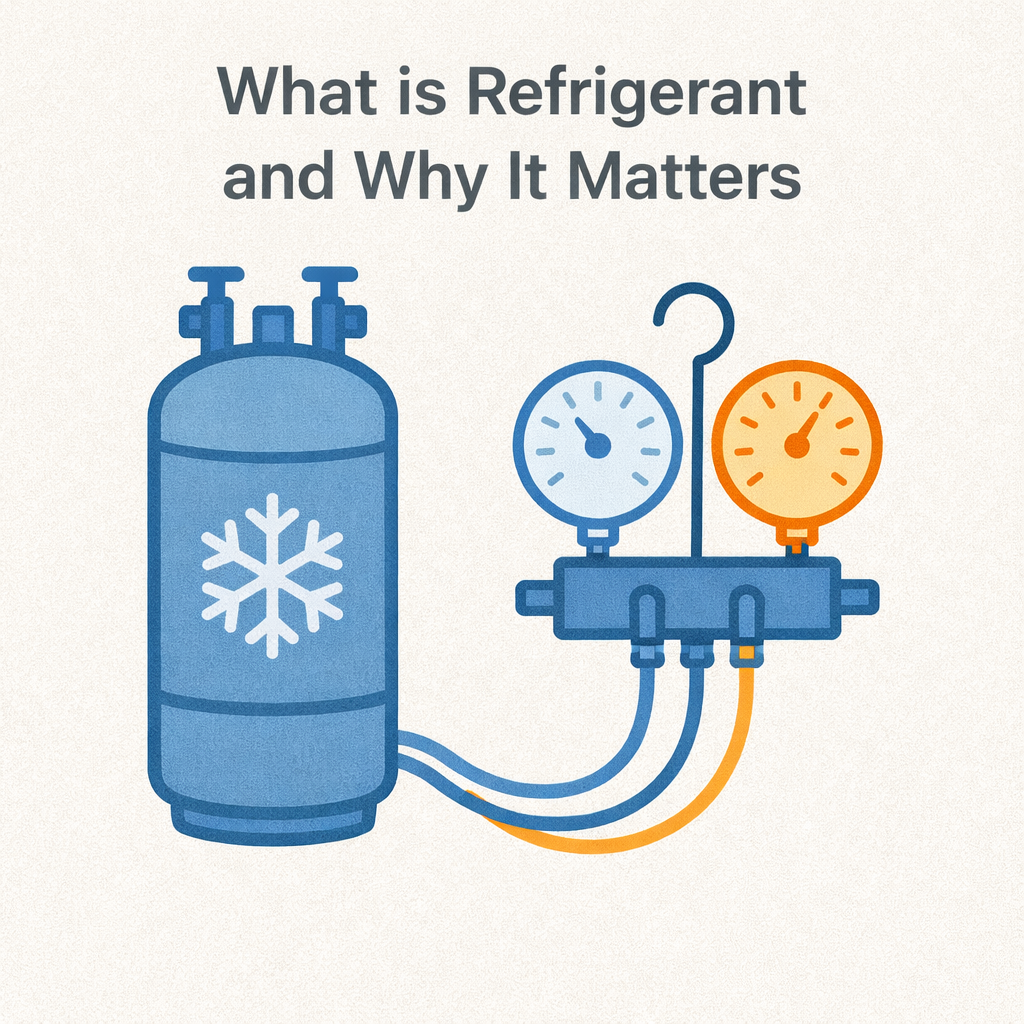
What is Refrigerant and Why It Matters
Refrigerant changes between liquid and gas states easily at low temperatures, which makes it ideal for heat transfer. It moves through your system both as a high-pressure liquid and a low-pressure gas, helping it absorb heat from your living space and release it outside.
The first air conditioners used chlorofluorocarbons, but these damaged the ozone layer. Today’s systems use more eco-friendly options which are better for the environment.
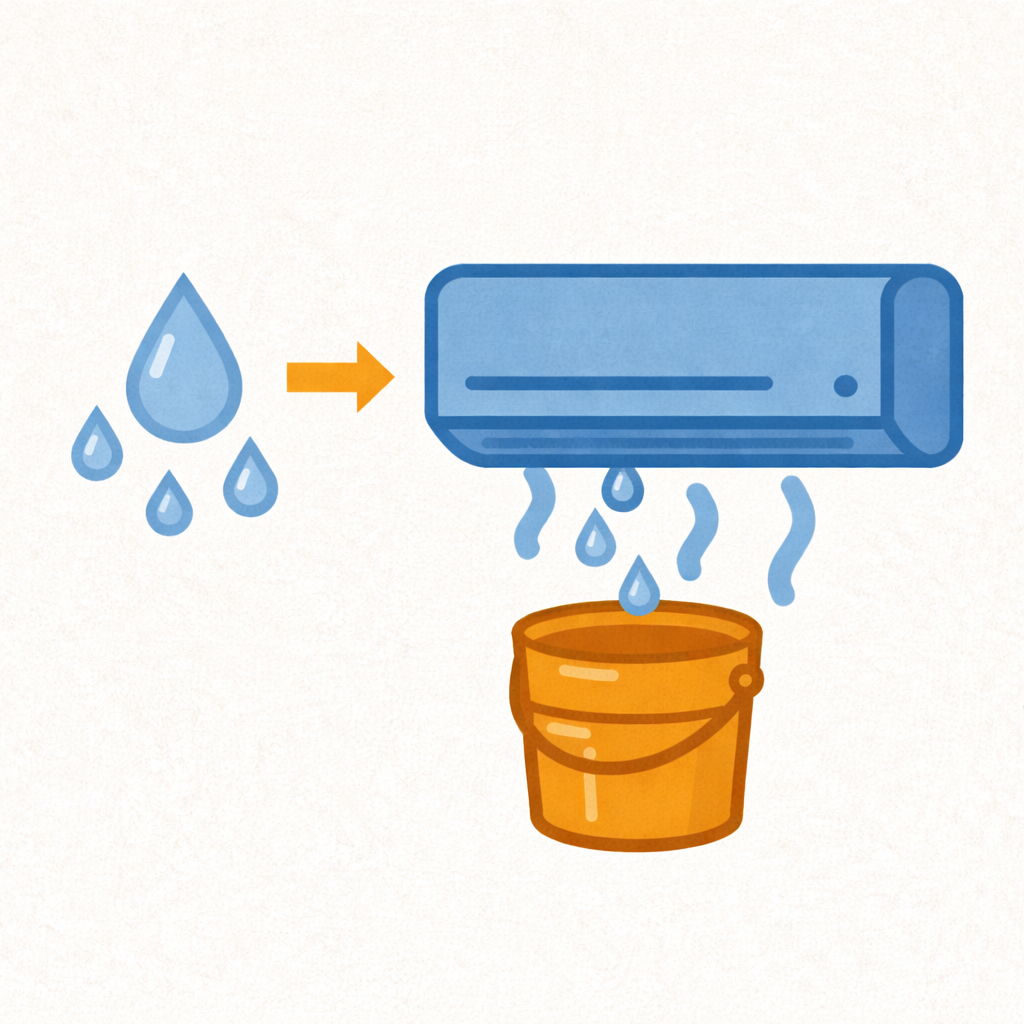
How Air Conditioners Remove Humidity
Your air conditioner does more than cool your home – it also fights Brisbane’s humidity. You’ll feel most comfortable when indoor humidity stays between 30% and 50% relative humidity.
The system removes moisture through dehumidification. Warm, humid indoor air meets cold evaporator coils and cools below its dew point. Moisture forms on the coils just like water droplets on a cold glass. This water collects and drains away, and cooler, drier air flows back into your room.
This moisture removal makes your home more comfortable without even needing lower temperature settings, so you can save energy and avoid that sticky feeling on our most humid days.
How the Cooling Cycle Works
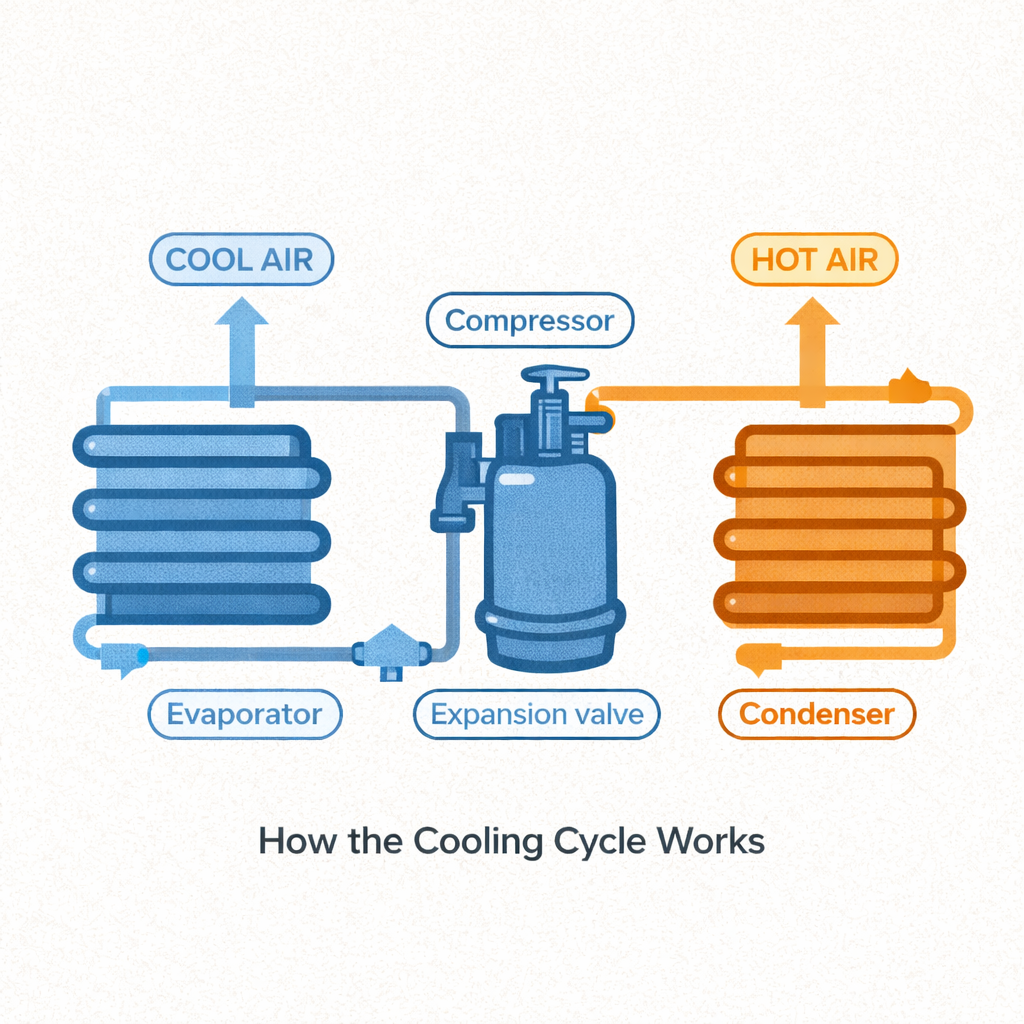
Your air conditioning system operates through a refrigeration cycle that involves four main processes. The process begins when low-pressure liquid refrigerant pulls heat from your indoor air through the evaporator coil and becomes a gas.
This gas moves to the compressor where it heats up under increased pressure. The hot refrigerant flows next to the condenser coil and releases heat outside while turning back into liquid. The liquid then passes through the expansion valve. The valve lowers its pressure and temperature, and the cycle starts again.
Parts of an Air Conditioning System
Let's explore the key components that make your home's cooling system work.
Compressor
The compressor sits in your outdoor unit and pressurises and moves refrigerant throughout the system. Your compressor turns low-pressure refrigerant into a high-pressure, high-temperature gas that releases heat outdoors. A well-maintained compressor typically lasts 10-15 years.
Evaporator coil
You’ll find the evaporator coil inside your home where it absorbs heat from indoor air. As warm air flows over the evaporator coil, the refrigerant inside changes from liquid to gas, and moisture from the air condenses on the cold surface before draining away.
Condenser coil
The condenser coil in your outdoor unit works hand-in-hand with the evaporator to complete the heat exchange cycle. Hot refrigerant gas flows into the condenser coil and releases heat to the outside air before returning to liquid form.
Thermostat
Your thermostat is like the brain of the air conditioning system. It monitors room temperature and tells the system when to start or stop cooling.
Filters
Air filters catch dust and allergens to keep your system clean and air healthy. Clean filters help your system run better by improving airflow, efficiency, and indoor air quality.
Different Types of Air Conditioners
Brisbane homeowners can choose from several air conditioning options that fit their needs, budget, and property type.
Split System Air Conditioners
Split systems dominate the Australian market, and for good reason. They’re incredibly efficient and simple, featuring a wall-mounted indoor unit and an outdoor compressor unit.
The indoor unit pulls in warm air and cools it over the evaporator coil before sending it back into your room. The outdoor unit then releases the captured heat. Inverter technology that adjusts the compressor’s speed based on your temperature needs can help you reduce energy consumption by up to 50% compared to non-inverter systems.
Ducted Air Conditioning Systems
Your entire home’s climate stays controlled with ducted systems through a network of ducts and vents in the ceiling. The central unit sits in your roof space and connects to strategically placed vents throughout the house.
You can control specific zones while turning off unused areas to save energy. Since the working components are housed outside or in your ceiling space, it runs incredibly quietly.
Portable Air Conditioners
Renters and people needing temporary cooling solutions benefit from portable units. These units cool smaller spaces by venting hot air through windows using an exhaust hose.
The running costs aren’t as economical as fixed systems relative to their cooling capacity, but you have the added benefit of being able to move it around to where you need it.
Evaporative Cooling Systems
Evaporative coolers take a different approach than traditional air conditioners by using water evaporation instead of refrigerant cycles. The process works as hot, dry air moves over water-saturated pads, and the water evaporates to lower air temperature.
The installation and running costs can be cheaper, but these systems work best in low-humidity environments and might not suit Brisbane’s climate.
The Right System For Your Home
Choosing the right air conditioning system for your home can have a big impact on both cooling and energy efficiency. Knowing how air conditioning works is the first step to helping you make the right choice, but you should also consider:
- The size of the room you’re wanting to cool
- Your insulation or window glazing
- Room orientation
All of these play a key role in determining not just the type of air conditioner you need, but also the right kW output.
Need Help From The Experts
Knowing how air conditioning works helps you make smarter choices about cooling your Brisbane home, and knowing the components that make up your system can help you in the early troubleshooting stages.
But the number of options available can get overwhelming, and you shouldn’t guess which system suits your needs. Our experts here at BG Electrical and Air Con can help you explore your options. We’ll calculate the right size for your home and find a system that keeps you comfortable all year.
Need a hand with an air conditioning install or some system servicing? Give us a call today.